

 My GIA Now
Set sail with GSI Cargo, your trusted partner in sea freight forwarding services. With a global presence across major ports worldwide, we offer unparalleled value, flexibility, and consistency in our sea freight forwarding services. Whether it’s Sea Freight or Air Freight, inbound or outbound, our services cater to customers’
diverse needs seamlessly
At GSI, we specialize in Full Container Load (FCL), Less than Container Load (LCL), and Bulk services,
ensuring comprehensive coverage for all your cargo requirements. Leveraging strategic alliances with leading
shipping lines, we deliver the most cost-effective solutions tailored to your needs. With extensive
experience and established relationships with major shipping lines worldwide, we guarantee competitive ocean
freight rates and expedited transit times to every port.
 Inbound and Outbound freight booking for all SEA CARGO to and from worldwide destinations/ports
to PAN India.- Cross-country freight booking to and from all ports worldwide with Switch B/L facility.
- Shipments under all Incoterms including FOB, CIF, DDP, DDU, DAP, Ex. Works, etc., to destinations
across the world.

- Buyer consolidations and POP Program for major buyers and buying houses in Russia, Europe, USA &
CIS Countries - Shipments for Exhibitions and Trade Fairs under Temporary Import, ATA CARNET, Permanent Import
- Vessel Chartering & Stevedoring services
GSI Sea Freight Services
GSI Cargo is a pioneer in handling General Cargo shipments, understanding the deeper
expectations of clients in their pursuit of competitive rates, best transit times,
comprehensive tracking solutions, easy documentation, and smooth handling for peace of
mind in logistics services. GSI Cargo serves as a one-stop shop for all your
logistics needs under one roof, whether for import or export solutions. You can trust
that you are in safe hands with us. We offer full transparency, best logistics
solutions, and competitive prices to our clients because we believe in building lasting
relationships.
At GSI Cargo, container availability is never a concern. Whether you need a 20′, 40′
GP, or 40′ High Cube container, we’ve got you covered. Count on us to provide the best
quotes and transit times for every container you book with GSI.
Leveraging our expertise and strong connections with shipping lines and NVOCCs, we offer
competitive prices for worldwide destinations coupled with the best transit times in the
industry. With GSI Cargo, your cargo travels swiftly and seamlessly to its
destination, ensuring peace of mind and satisfaction every step of the way
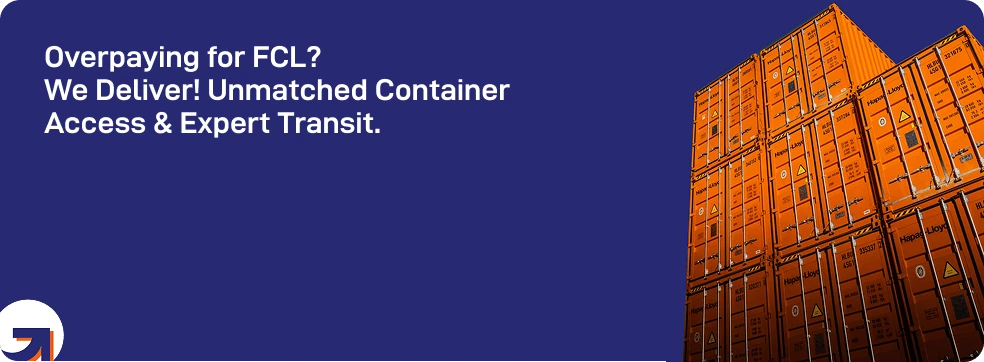
Concerned about freight costs or lacking sufficient cargo for a full container load
(FCL)? At GSI Cargo, we’ve got you covered as consolidators for groupage cargo in
Less than Container Load (LCL) shipments from worldwide destinations to India ports and
CFS’s, and vice versa. This mode of transport offers a much more cost-effective solution
for moving your commercial shipments or personal effects
We always advocate for booking LCL shipments for import cargo through local freight
forwarders to avoid hidden charges by co-loaders. With GSI Cargo, you can trust in
our transparent and efficient services for importing or exporting goods via LCL mode.
Let us be your best choice for seamless and hassle-free transportation solutions
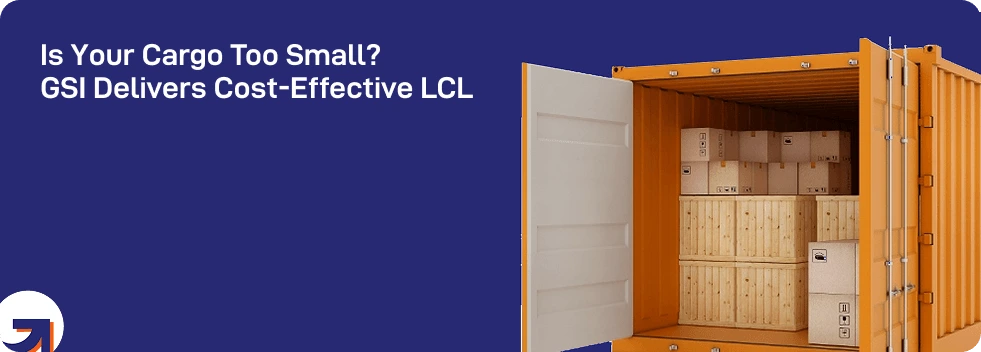
Our unique facility allows for consolidation at our warehouse from multiple suppliers,
enabling us to book containers or shipments as per PO orders or consignee instructions.
GST Logistics provides this tailored solution to our customers and agentis, adbering
strictly to SOPs to routinely consolidate shipments from India or worldwide
destinations. With dedicated staff experienced in handling such Consolidation Programs,
we efficiently manage groupage cargo for customers in the USA, Russia, European
Countries, and CIS Countries.
Goods are stored securely at our private warehouse or customs bonded warehouse, and we
meticulously follow customer booking instructions for the movement of cargo, ensuring
smooth operations and timely deliveries
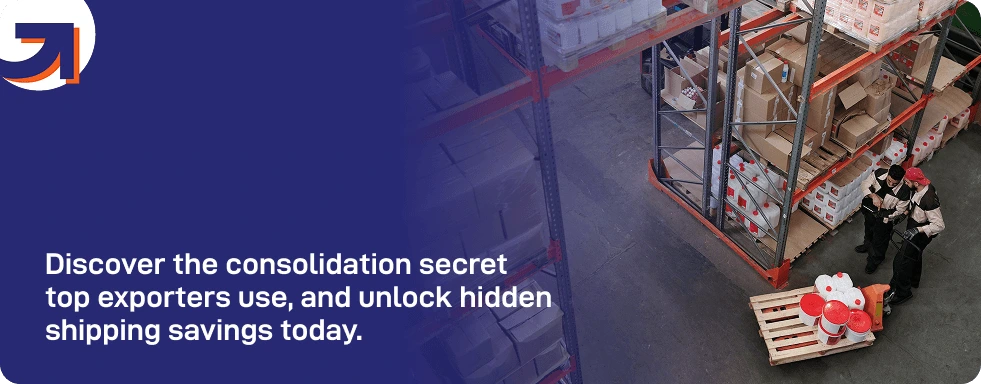
our robust arrangements for international transportation extend to T1 trucking and Last
Mile deliveries. Leveraging our extensive agent network with trucking companies, we have
the flexibility to go beyond customs ports and deliver cargo right to our clients’
doorsteps. Our comprehensive transportation solutions encompass both rail and road
transport, tailored to meet the specific requirements of our customers.
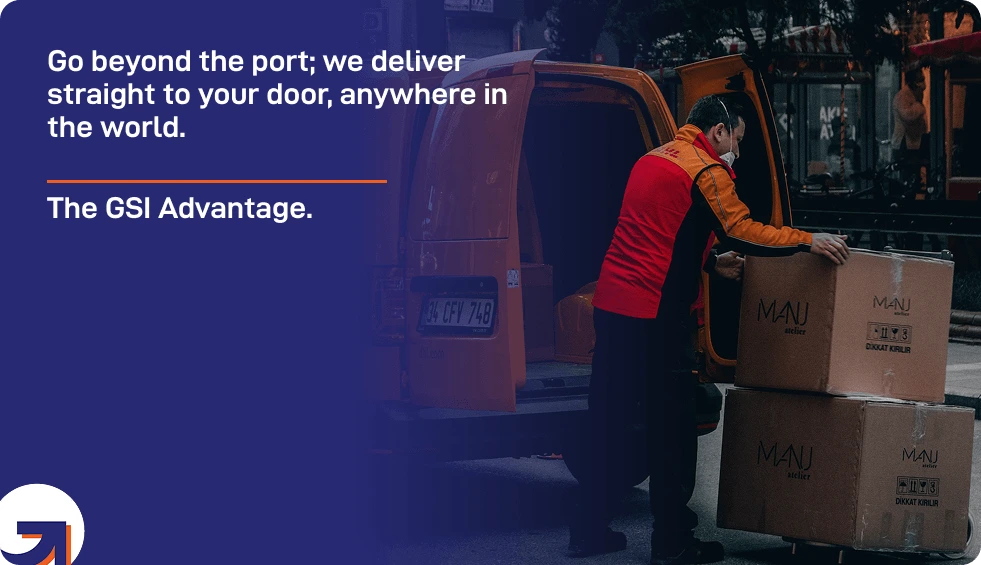
GSI Cargo boasts an extensive agent network spanning all worldwide destinations,
empowering us to orchestrate tailor-made logistics solutions for all Incoterms—DDP, DDU,
DAP—for both your inbound and outbound shipments via sea mode
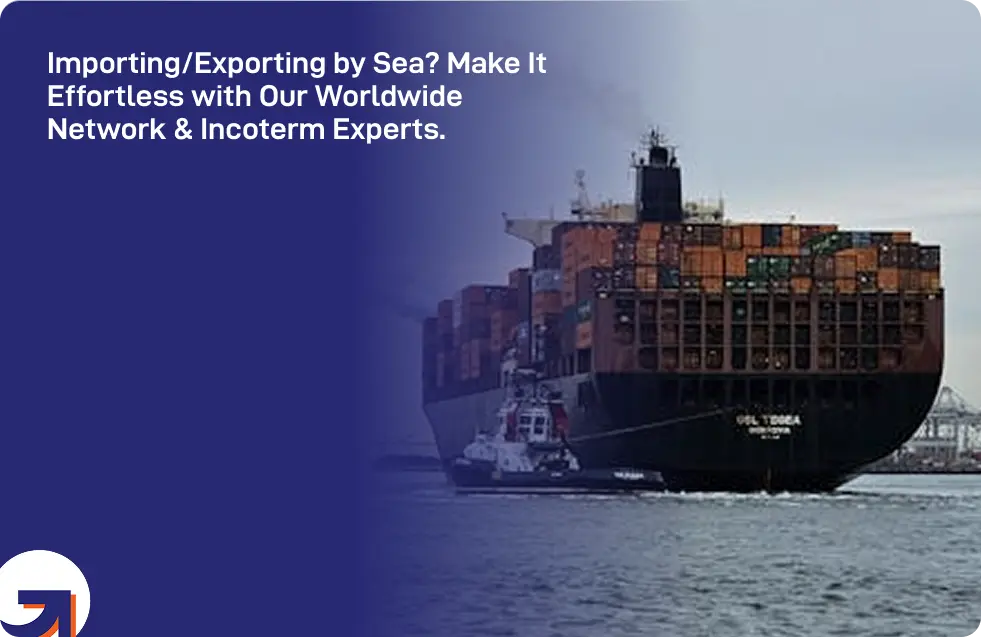
we offer the capability to initiate the eBL facility with carriers upon the shipper’s
request. This innovative solution facilitates a faster process, enhancing tracking and
visibility of all contents in the Bill of Lading for all stakeholders involved. In
today’s dynamic shipping landscape, shippers increasingly seek to avoid courier charges
and opt for options like Telex or B/L surrender. Adopting eBL represents an advanced
practice, providing greater transparency and faster management of Bill of Lading
compared to traditional physical copies or TELEX or BL surrendered messages.
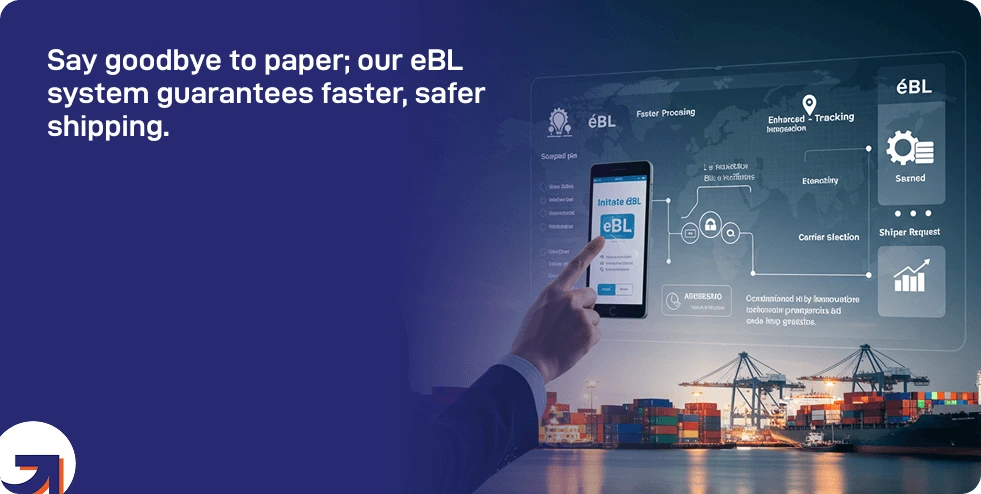
For cross-country logistics, the necessity of Switch B/L requirements is paramount. At
GSI Cargo, we possess extensive expertise in introducing Switch B/L according to
customer instructions while ensuring confidentiality in information sharing between the
actual buyer and seller. We are committed to understanding your upcoming Switch B/L
requirements and providing tailored solutions to meet your needs seamlessly
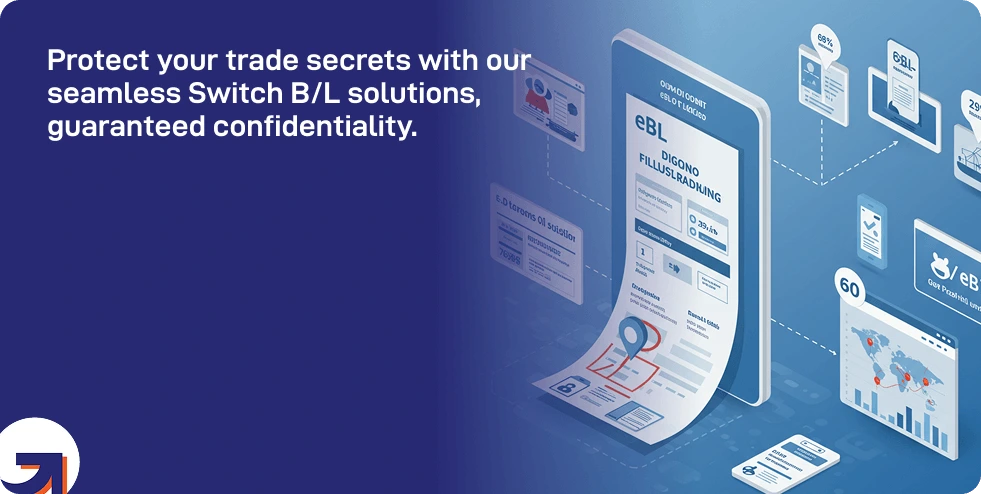
At GSI Cargo, we proudly operate as Multimodal Transport Operator (MTO) agents,
equipped with our own registered Bill of Ladings and Airway Bills. With a stellar
reputation among major carriers, including Shipping Lines, Airlines, and Rail Transport
Operators in India and globally, we are committed to delivering unparalleled service.
As authorized agents sanctioned by the Ministry of Shipping, MTO agents like us play a
pivotal role in enhancing connectivity, reducing congestion, lowering costs, improving
logistics, and fostering sustainability in the transportation industry. Trust GSI
Logistics for comprehensive and efficient multimodal transportation solutions tailored
to your needs.
GSI Sea Freight Services
GSI Cargo is a pioneer in handling General Cargo shipments, understanding
the deeper expectations of clients in their pursuit of competitive rates,
best transit times, comprehensive tracking solutions, easy documentation,
and smooth handling for peace of mind in logistics services. GSI Cargo
serves as a one-stop shop for all your logistics needs under one roof,
whether for import or export solutions. You can trust that you are in safe
hands with us. We offer full transparency, best logistics solutions, and
competitive prices to our clients because we believe in building lasting
relationships.
At GSI Cargo, container availability is never a concern. Whether you need
a 20′, 40′ GP, or 40′ High Cube container, we’ve got you covered. Count on
us to provide the best quotes and transit times for every container you book
with GSI.
Leveraging our expertise and strong connections with shipping lines and
NVOCCs, we offer competitive prices for worldwide destinations coupled with
the best transit times in the industry. With GSI Cargo, your cargo
travels swiftly and seamlessly to its destination, ensuring peace of mind
and satisfaction every step of the way
Concerned about freight costs or lacking sufficient cargo for a full
container load (FCL)? At GSI Cargo, we’ve got you covered as
consolidators for groupage cargo in Less than Container Load (LCL) shipments
from worldwide destinations to India ports and CFS’s, and vice versa. This
mode of transport offers a much more cost-effective solution for moving your
commercial shipments or personal effects
We always advocate for booking LCL shipments for import cargo through local
freight forwarders to avoid hidden charges by co-loaders. With GSI
Logistics, you can trust in our transparent and efficient services for
importing or exporting goods via LCL mode. Let us be your best choice for
seamless and hassle-free transportation solutions
Our unique facility allows for consolidation at our warehouse from multiple
suppliers, enabling us to book containers or shipments as per PO orders or
consignee instructions. GST Logistics provides this tailored solution to our
customers and agentis, adbering strictly to SOPs to routinely consolidate
shipments from India or worldwide destinations. With dedicated staff
experienced in handling such Consolidation Programs, we efficiently manage
groupage cargo for customers in the USA, Russia, European Countries, and CIS
Countries.
Goods are stored securely at our private warehouse or customs bonded
warehouse, and we meticulously follow customer booking instructions for the
movement of cargo, ensuring smooth operations and timely deliveries
our robust arrangements for international transportation extend to T1
trucking and Last Mile deliveries. Leveraging our extensive agent network
with trucking companies, we have the flexibility to go beyond customs ports
and deliver cargo right to our clients’ doorsteps. Our comprehensive
transportation solutions encompass both rail and road transport, tailored to
meet the specific requirements of our customers.
GSI Cargo boasts an extensive agent network spanning all worldwide
destinations, empowering us to orchestrate tailor-made logistics solutions
for all Incoterms—DDP, DDU, DAP—for both your inbound and outbound shipments
via sea mode
we offer the capability to initiate the eBL facility with carriers upon the
shipper’s request. This innovative solution facilitates a faster process,
enhancing tracking and visibility of all contents in the Bill of Lading for
all stakeholders involved. In today’s dynamic shipping landscape, shippers
increasingly seek to avoid courier charges and opt for options like Telex or
B/L surrender. Adopting eBL represents an advanced practice, providing
greater transparency and faster management of Bill of Lading compared to
traditional physical copies or TELEX or BL surrendered messages.
For cross-country logistics, the necessity of Switch B/L requirements is
paramount. At GSI Cargo, we possess extensive expertise in introducing
Switch B/L according to customer instructions while ensuring confidentiality
in information sharing between the actual buyer and seller. We are committed
to understanding your upcoming Switch B/L requirements and providing
tailored solutions to meet your needs seamlessly
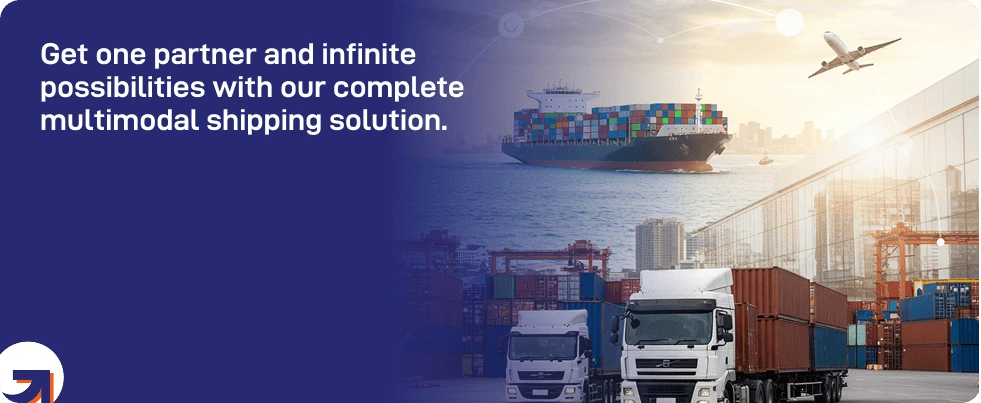
At GSI Cargo, we proudly operate as Multimodal Transport Operator (MTO)
agents, equipped with our own registered Bill of Ladings and Airway Bills.
With a stellar reputation among major carriers, including Shipping Lines,
Airlines, and Rail Transport Operators in India and globally, we are
committed to delivering unparalleled service.
As authorized agents sanctioned by the Ministry of Shipping, MTO agents like
us play a pivotal role in enhancing connectivity, reducing congestion,
lowering costs, improving logistics, and fostering sustainability in the
transportation industry. Trust GSI Cargo for comprehensive and efficient
multimodal transportation solutions tailored to your needs.
Learn with GSI
Know more about GIA Now 2.0
Frequently Asked Questions
Discover a world of knowledge with GSI Cargo! We’re dedicated to continuous learning and
creating opportunities through engaging YouTube videos, insightful blogs, and interactive
web-based learning.
Join us on this exciting journey and let’s grow together with GSI Cargo!
Full Container Load (FCL) means booking an entire container for your cargo.
It is like hiring a private taxi for your shipment, where only your cargo
will be transported as per your customized requirements. You pay freight
charges based on the container’s size.
LCL shipments involve consolidators or shipping companies occupying an FCL
from carriers and developing consolidation shipments from various clients.
They sell ocean freight rates based on CBM, club cargo from various
destinations, and segregate it for final destinations. Major ports often
have direct services from consolidators.
Standard shipping containers include:
20FT General Product (GP) Container
20FT High Cube Container
40FT General Product (GP) Container
40FT High Cube (HQ) Container
Special containers include:
20FT Open Top
40FT Open Top
20FT Flat Rack
40FT Flat Rack
20FT Reefer (Temperature Controlled)
40FT Reefer (Temperature Controlled)
20FT Tank Containers
40FT Tank Containers
Flat rack containers are used for oversized cargo that cannot fit into dry
containers. Cargo can be loaded from either side, and freight quotes are
subject to carrier approval based on the weight and dimensions of the cargo.
Dry containers, also known as GP or General Product containers, are the most
commonly used for transporting goods.
Open top containers do not have a roof and are useful for over-height cargo
or cargo that cannot be loaded through the doors. Freight quotes are subject
to carrier approval.
Reefer containers are refrigerated containers used to maintain a specific
temperature during the transit of goods that require temperature control.
Breakbulk cargo refers to oversized or overweight cargo that cannot be
stuffed into standard containers. General cargo includes all types of cargo
that do not require special conditions in transport and can be stuffed in
standard-sized containers.
The weight capacity of 20FT and 40FT dry containers varies and is subject to
approval by carriers. This is an estimation and may differ based on specific
cargo requirements.
For a 20FT GP container, a 40FT GP container, and a 40FT HQ container, the
CBM space varies based on the size of the cargo and the stuffing plan. Team
GSI always guides customers to suitable options for their cargo planning.
The height of 40FT High Cube containers is greater than that of 40′ Dry
Containers. 40FT High Cube containers are more commonly used for
transporting garments or cargo requiring bulky space.
Lashing and choking prevent cargo from damage. It is recommended to use hard
packaging material for long transits. Wooden palletization or packaging also
helps prevent losses.
Factory stuffing involves loading cargo into containers directly at the
factory premises, ensuring greater control over the loading process and
minimizing handling. Dock stuffing, on the other hand, occurs at the port or
a designated dock, where the cargo is loaded into containers by port
workers, often resulting in additional handling but offering convenience for
certain logistics setups.
SOC (Shipper Owned Container) refers to containers owned by the shipper,
offering flexibility in container usage and reducing dependency on
carrier-owned equipment. COC (Carrier Owned Container) are containers
provided by the carrier, often simplifying logistics and reducing the
shipper’s responsibility for container maintenance and return.
Less than Container Load (LCL) shipments are consolidated by shipping
companies, combining cargo from various clients into one container. Ocean
freight rates are calculated based on CBM, with cargo often routed through
hubs before reaching the final destination.
CBM stands for Cubic Meter, which defines the space capacity for the transit
by sea freight or air freight containers. It is a standard unit for
calculating ocean freight for Loose Container Load (LCL) shipments.
To calculate CBM, you need the dimensions in centimeters of all the packages
and the total number of packages for the shipment.
Verified Gross Mass (VGM) is required to ensure the correct weight of the
cargo and container tare weight. It can be done through re-weighting after
the container is stuffed and sealed or by separately weighing the
consignments along with the container tare weight.
This depends on the cargo’s final packaging and nature. Accurate calculation
of stacking helps maximize cargo capacity. Discuss with freight forwarding
companies about the cargo stuffing capacity as per the available dimensions.
A Bill of Lading is a legal document for the shipment in transit. It is an
important ownership document of the goods. The shipper must submit this
document to the bank if the shipment is under a Letter of Credit or to the
consignee to release the cargo upon presenting the original Bill of Lading
to the carrier or authorized shipping agent. It carries information about
the shipper, consignee, quantities, description of goods, port of loading,
port of discharge, final destination, and freight terms.
A Switch Bill of Lading is issued by an agent upon consignee instructions to
deliver goods to another buyer on their behalf. The consignee must surrender
the original Bill of Lading to the issuing agent or carrier and apply for a
Switch Bill of Lading to deliver goods to another consignee at the
destination.
A Delivery Order is issued by the shipping line or its agent at the final
destination, allowing the consignee to release the goods from customs.
Verified Gross Mass (VGM) is required to ensure the correct weight of the
cargo and container tare weight. It can be done through re-weighting after
the container is stuffed and sealed or by separately weighing the
consignments along with the container tare weight.
IGM stands for Import General Manifest. Gateway IGM is filed by carriers for
the manifestation of the vessel arriving in the country, while Local IGM is
filed by freight forwarding agents to the carrier about the actual
consignee, packages, and weight as per the Bill of Lading for the final
destination.
A Master Bill of Lading is issued by the carrier, while a House Bill of
Lading is issued by licensed MTO agents. It signifies the names of the
shippers and consignees. Original Bills of Lading must be surrendered to the
carrier or its authorized agents for releasing goods from customs.
Shipping Instructions (SI) are detailed guidelines provided by the shipper to
the freight forwarder or carrier, outlining the requirements for
transporting the cargo. These instructions include information on the
consignee, destination, handling preferences, and any special conditions to
ensure the shipment is processed accurately and efficiently.
Shipped on Board (SOB) indicates that the cargo has been loaded onto the
vessel and is ready for transportation. This status is often marked on the
Bill of Lading.
To issue a Bill of Lading, the carrier needs complete shipping details from
the shipper, including cargo description, quantity, weight, dimensions,
consignee details, and any special instructions. The carrier then prepares
and issues the Bill of Lading, which serves as a receipt and contract for
the shipment.
A Telex Release Bill of Lading allows the consignee to take delivery of the
cargo without presenting the original Bill of Lading. The shipper surrenders
the original document at the origin, and the carrier or agent sends a telex
message to the destination port, authorizing the release of goods.
Telex Release allows the consignee to receive the cargo without the physical
original Bill of Lading by using an electronic authorization. Bill of Lading
surrender requires the consignee to present the physical original Bill of
Lading to the carrier or agent at the destination to release the goods.
An e-Bill of Lading (eBL) is a digital version of the traditional paper Bill
of Lading. It provides the same legal and functional purposes, such as
serving as a receipt, document of title, and contract of carriage, but in
electronic form, facilitating easier and faster processing.
Yes, a Letter of Credit (L/C) is a crucial financial document used in
international trade. It guarantees payment to the exporter upon presenting
the required shipping documents, ensuring security for both the buyer and
seller.
Yes, sea freight transport can include pre-carriage or post-carriage by road
or rail to transit goods from landlocked destinations to seaports. These
bonded transits can be arranged by the carrier or logistics companies.
This innovative logistics model reduces transit time and costs by
consolidating cargo at a hub with fixed sailings to the final destination.
It helps avoid high costs due to delays and can also dispatch cargo by
feeder vessels to the hub as an option by road or rail movement for small
shipments.
MTO stands for Multimodal Transport Operator, a logistics provider that
arranges the transportation of goods using multiple modes of transport, such
as sea, road, rail, and air, under a single contract, ensuring seamless and
efficient delivery.
NVOCC stands for Non-Vessel Operating Common Carrier. An NVOCC is a company
that organizes shipments for individuals or corporations without operating
their own vessels. They lease space on ships, consolidate cargo, and issue
their own bills of lading.
Carrier operators are companies that own and operate the vessels, airplanes,
trucks, or trains used to transport goods. They are responsible for the
actual movement of cargo from one point to another.
The Port of Loading (POL) is the port where the cargo is loaded onto a
vessel for transportation. It is the initial departure point in the shipping
process.
The Port of Discharge (POD) is the port where the cargo is unloaded from the
vessel upon arrival at its destination. It is the endpoint of the ocean leg
of the shipment.
The final destination is the ultimate delivery point where the cargo is
transported after being discharged from the vessel. It could be a warehouse,
distribution center, or consignee’s address.
The Port of Discharge (POD) is where the cargo is unloaded from the vessel,
while the final destination is the actual location where the cargo is
delivered after any additional transportation by road, rail, or air.
A Buyer Consolidation Program allows multiple suppliers to consolidate their
shipments into a single container for a buyer. This program optimizes
shipping costs, reduces handling, and ensures better control over the supply
chain.
Yes, it is always recommended to evaluate charges with freight forwarder
companies since many consolidators are involved during transit, which can
increase costs for the shipper or consignee.
Yes, sea freight is the most economical mode of transport with exceptions
for very small shipments that may be better suited for courier or air
freight, small distances where road or rail transport is cheaper, multiple
transit hubs that can increase costs and time for small shipments, and
time-critical shipments requiring careful planning.
Applicable origin and destination charges are involved along with sea
freight. These charges, which can be prepaid or collected, are charged based
on Incoterms and should be evaluated with logistics companies.
Sea freight should be avoided in cases of time-critical shipments,
restrictions by state or war zones, small shipments better suited for air or
courier modes, and perishable cargo in LCL shipments.
IGM stands for Import General Manifest. Gateway IGM is filed by carriers for
the manifestation of the vessel arriving in the country, while Local IGM is
filed by freight forwarding agents to the carrier about the actual
consignee, packages, and weight as per the Bill of Lading for the final
destination.
Marine insurance provides coverage for loss or damage of goods during transit
by sea. This insurance ensures that your cargo is protected against various
risks, including theft, damage, and accidents during shipping, giving you
peace of mind and financial security.
Origin charges are fees incurred at the origin of the shipment, including
costs for documentation, handling, packaging, and loading. These charges are
typically borne by the shipper.
Destination charges are fees incurred at the destination port or terminal
for unloading, handling, customs clearance, and delivery of the cargo to its
final destination. These charges are typically borne by the consignee.
Demurrage charges are fees levied by the shipping line when cargo is not
cleared and picked up within the allowed free time at the port. These
charges compensate the carrier for the use of their containers or space.
Detention charges are fees imposed for the late return of empty containers to
the designated depot after the free time has expired. It compensates the
carrier for the loss of use of their containers.
The free detention period is the time allowed by the carrier for the
consignee to return the empty container without incurring detention charges.
It usually starts from the day the container is picked up for delivery.