

 My GIA Now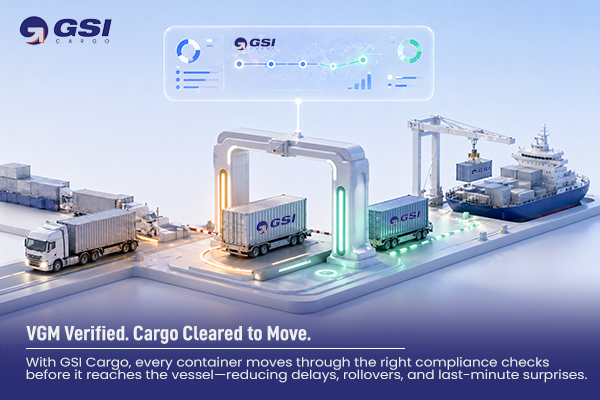
What is VGM in shipping?
VGM full form: Verified Gross Mass.
VGM meaning: The total verified weight of a packed container before it is loaded on a vessel.
VGM includes:
- Cargo weight
- Packaging materials
- Pallets
- Dunnage and securing materials
- Container tare weight (empty container weight)
In simple terms:
VGM = total weight of the stuffed container (cargo + all packing + container itself).
Why was VGM introduced (SOLAS requirement)?
VGM became mandatory under the SOLAS (Safety of Life at Sea) Convention, driven by the International Maritime Organization (IMO).
The reason is safety.
Misdeclared container weights have contributed to:
- Vessel stability issues
- Container stack collapses
- Crane and terminal handling accidents
- Cargo damage and loss at sea
When a container’s weight is wrong, it affects the entire vessel’s stowage plan. That is why VGM is not “paperwork”—it is a safety and compliance requirement.
Who is responsible for VGM submission?
The shipper (exporter) is legally responsible for providing VGM.
Even if your freight forwarder coordinates the process, the liability remains with the shipper.
That is why relying on assumptions or last-minute estimates is risky. If something goes wrong, the shipping line and authorities will look at the shipper’s declaration.
How to calculate VGM (two approved methods)
There are two IMO-accepted methods:
Method 1: Weigh the packed container
- The container is weighed after stuffing using a certified weighing bridge/system.
Method 2: Calculate the total (component method)
You add:
- Weight of cargo items
- Weight of packaging, pallets, dunnage
- Container tare weight
This method must follow local authority guidelines and approved processes.
What is the VGM cut-off (and why timing matters)?
Every carrier/shipping line sets a VGM cut-off deadline before vessel departure.
If you miss the cut-off:
- Your container may be rejected at the terminal
- Your container may be rolled over to the next vessel
- You may face storage, detention, and operational charges
Here is the part exporters underestimate:
A missed VGM cut-off does not just delay a shipment. It can break delivery commitments, disrupt production schedules, and damage buyer confidence.
What happens if VGM is not submitted or is incorrect?
Depending on the carrier and port rules, consequences can include:
- Container not loaded on the vessel
- Shipment rollovers and missed sailings
- Re-weighing charges
- Documentation rework and delays
- Penalties (as applicable)
- Higher risk of disputes with buyers due to late delivery
This is where FOMO becomes real: while your shipment is stuck, your competitor’s cargo is already moving.
The most common VGM mistakes exporters make
These are the issues that repeatedly cause delays:
- Using estimated weights instead of verified weights
- Forgetting to include packaging/pallets/dunnage
- Using the wrong container tare weight
- Submitting VGM late (missing carrier cut-off)
- Poor coordination between the shipper, forwarder, and carrier
Most of these are preventable—if handled early and professionally.
How GSI Cargo helps you avoid VGM delays and compliance issues
At GSI Cargo, we support exporters with end-to-end coordination so VGM does not become a last-minute fire drill.
We help you:
- Plan VGM submission timelines around carrier cut-offs
- Coordinate documentation and compliance steps
- Reduce the risk of rollovers and avoidable charges
- Keep shipments moving with proactive communication
Custom Broker Services
Want to avoid rollovers, penalties, and last-minute port surprises? Talk to GSi Cargo and get your export documentation and compliance handled the right way - before your cargo reachers the termainal.
Get VGM & Export Compliance Support