

 My GIA Now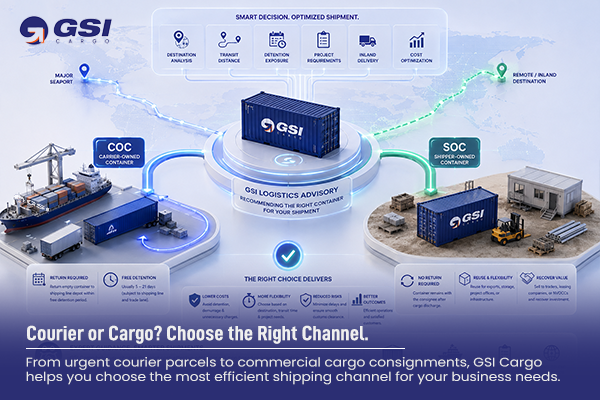
Many people believe courier and cargo are the same because both transport goods internationally. However, the biggest difference lies in the purpose of the shipment and the customs clearance process.
Courier services are ideal for small, urgent, and low-value shipments such as documents, gifts, personal belongings, trade samples, and lightweight packages. They offer convenient door-to-door delivery with simplified customs clearance, making them perfect for personal and non-commercial shipments.
Cargo, on the other hand, is designed for commercial and business shipments. Machinery, equipment, high-value goods, multiple-invoice consignments, and dangerous goods such as chemicals or lithium batteries should always move through the cargo channel.
The key advantage of cargo is detailed customs assessment. A Customs Assessment Officer verifies the correct HS Code, regulatory compliances, import restrictions, applicable customs duty, and GST before approving clearance. This process ensures the shipment complies with all international trade regulations.
Cargo also provides businesses with greater control. Importers can choose their preferred airport, customs broker, and clearance location while filing shipments under their Import Export Code (IEC) and bank AD Code. This is essential for audits, foreign exchange compliance, and smooth international trade.
In contrast, courier companies clear shipments through their own hubs. If customs raises additional queries, importers often have limited control over the process, which can lead to unnecessary delays.
From a cost perspective, courier is economical for small consignments, while cargo becomes significantly more cost-effective for larger or heavier shipments.
In simple terms, courier is meant for individuals and small non-commercial shipments, whereas cargo is the backbone of global business. If your shipment involves commercial transactions, customs compliance, or high-value goods, cargo is always the recommended and more professional option.
Also Read : Role of Customs Consultancy in Smooth Import Operations