

 My GIA Now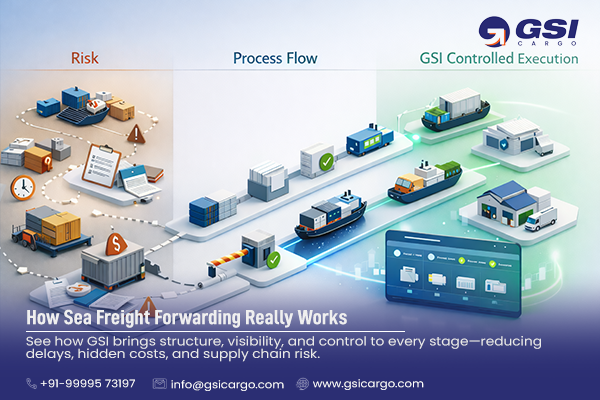
International trade may look smooth from the outside, but behind every successful shipment is a freight process that must work with precision. Every day, cargo moves across oceans to keep factories running, retailers stocked, and customer commitments intact. Yet one weak link in sea freight forwarding can trigger delays, extra charges, customs issues, and lost business. In a market where timing and reliability matter, choosing the wrong freight partner is not a minor mistake. It can become very expensive.
What Is International Sea Freight Forwarding?
International sea freight forwarding is the process of planning, booking, managing, and coordinating cargo movement by ocean. A freight forwarder handles critical steps such as:
- Booking cargo space with shipping lines
- Preparing shipping documentation
- Managing compliance requirements
- Coordinating customs clearance
- Tracking containers during transit
- Planning destination handling and final delivery
Without an experienced freight forwarder, businesses are not just shipping cargo. They are exposing themselves to avoidable risk.
How International Sea Freight Forwarding Works
Shipment Planning and Route Optimisation
The process begins with understanding the cargo and selecting the right shipping strategy. This includes:
- FCL, LCL, or breakbulk requirements
- Cargo volume and weight
- Destination port and trade lane
- Transit urgency and budget priorities
A strong freight partner does not simply offer the cheapest route. They recommend the most efficient and commercially practical option.
Booking with Shipping Lines
Once the shipment plan is finalized, cargo space is booked with the carrier. This stage is more important than many businesses realize. Poor booking support can lead to:
- Higher freight rates
- Lack of space during peak season
- Cargo rollovers and missed sailings
- Disrupted delivery schedules
GSI Cargo helps businesses secure competitive rates and dependable carrier coordination, reducing the risk of costly delays.
Documentation and Compliance
This is one of the most critical stages in sea freight forwarding. Common documents include:
- Bill of Lading
- Commercial Invoice
- Packing List
- Import or export licenses
- Customs-related declarations
Even one small error can hold cargo at port, delay customs processing, or create financial penalties. Accurate documentation is not optional. It is essential.
Customs Clearance Coordination
Customs is often where shipments either move smoothly or get stuck. Traditional handling is often reactive, slow, and unclear. A stronger logistics partner works proactively with better planning and communication.
With the right support, businesses benefit from:
- Pre-clearance preparation
- Faster response on documentation queries
- Better coordination between freight and customs teams
- Reduced risk of avoidable delays
Ocean Transit and Tracking
Once the cargo is loaded, the shipment enters the ocean transit phase. This stage may appear simple, but risks remain, including:
- Port congestion
- Vessel schedule changes
- Transshipment delays
- Limited visibility on container status
Without proper tracking, businesses are left guessing. GSI Cargo supports better shipment visibility and proactive updates so clients can plan with more confidence.
Destination Handling and Final Delivery
After arrival, the shipment still needs to move through destination handling, local clearance, and final delivery. Weak coordination at this stage can lead to:
- Storage charges
- Delayed delivery to the consignee
- Missed customer deadlines
- Extra handling costs
A reliable freight forwarder ensures the shipment journey does not break down at the final stage.
GSI Cargo vs Traditional Freight Forwarders
| Factor | Traditional Forwarder | GSI Cargo |
|---|---|---|
| Communication | Slow and reactive | Fast and proactive |
| Pricing | Hidden or unclear charges | Transparent and optimised |
| Tracking | Limited visibility | Real-time updates |
| Problem handling | Responds after the issue happens | Works to prevent issues early |
| Service approach | Transaction-focused | Business continuity focused |
The difference is simple: one moves cargo, the other protects your supply chain.
What Happens If You Choose the Wrong Sea Freight Forwarder?
This is where businesses often lose money without realising how preventable the damage was. The wrong freight partner can result in:
- Cargo rollovers and missed delivery deadlines
- Documentation mistakes that hold shipments for days or weeks
- Hidden costs that destroy margin
- Poor coordination that damages customer trust
- Supply chain disruption that gives competitors an advantage
In global trade, delays do not stay in logistics. They spread into sales, finance, operations, and reputation.
Why Businesses Choose GSI Cargo
GSI Cargo supports sea freight forwarding with stronger planning, better coordination, and more visibility across the shipment lifecycle. Businesses choose GSI Cargo for:
- Competitive ocean freight solutions
- End-to-end shipment coordination
- Documentation and compliance expertise
- Real-time updates and accountability
- A logistics partner focused on reducing risk, not just moving containers
Final Thought
Sea freight forwarding may seem routine until one shipment goes wrong. Then the real cost becomes visible. If your cargo matters, your freight partner matters just as much.
Do not wait for delays, hidden charges, or poor coordination to expose the weakness in your supply chain. Talk to GSI Cargo before your next shipment becomes a costly lesson.